
AB 592 and the Rise of Open Kitchen
How California’s New Law Is Shaping Restaurant Design
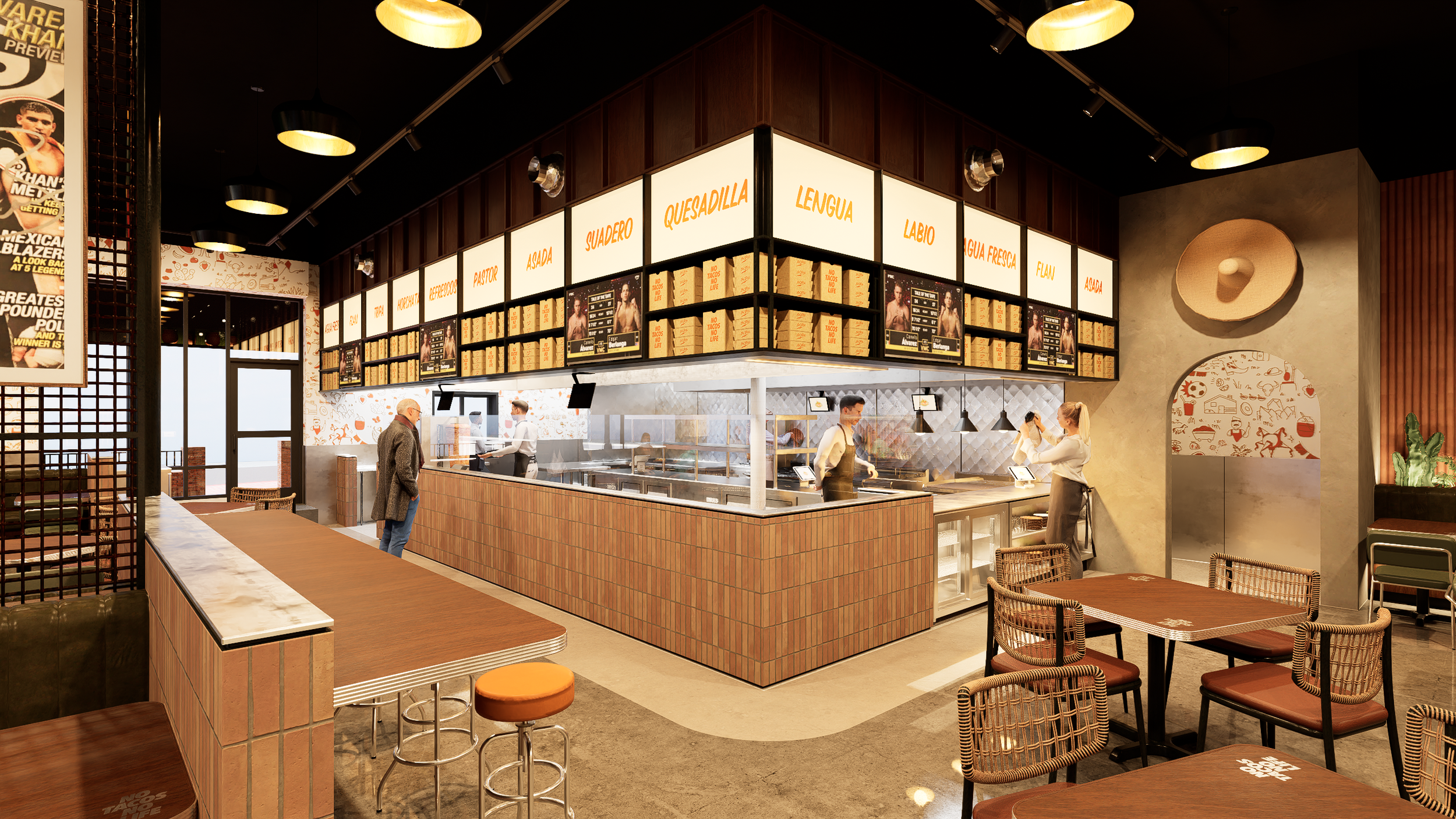
Progress Rendering for El Pastor Del Rica, Downtown San Diego
California’s hospitality landscape continues to evolve, and Assembly Bill 592 (AB 592) represents a significant update to how restaurants can legally engage the public realm. Building on pandemic-era outdoor dining allowances, the law clarifies that food service spaces may operate with open storefronts, operable windows, and folding or non-fixed openings during business hours, provided health and safety requirements are met.
Rather than changing what restaurants want to do, AB 592 modernizes the regulatory framework to better reflect how hospitality spaces actually operate today, supporting transparency, interaction, and indoor-outdoor dining models that are already central to contemporary restaurant design.
For designers, operators, and guests alike, AB 592 reinforces a shift toward experience-driven spaces. At Heleo, this legislation directly informs how we are approaching several current hospitality projects across San Diego.
What AB 592 Enables
AB 592 does not eliminate health or safety oversight. Instead, it provides clarity and consistency for local jurisdictions and design teams by explicitly allowing certain open-service conditions that were previously ambiguous or restricted.
Under AB 592, restaurants may:
Operate with open or non-fixed storefront elements during hours of operation, including folding doors and operable window systems
Use open kitchen and service configurations that visually and physically connect food preparation areas with dining spaces and outdoor seating
Extend indoor-outdoor dining models that activate sidewalks, patios, and street-facing edges
Importantly, these conditions are permitted when paired with approved food safety and pest mitigation strategies, ensuring that openness does not compromise public health. The law also prevents unreasonable denial of these configurations when mitigation plans are properly implemented.
Why Open Kitchens Matter
AB 592 effectively legitimizes design strategies that many restaurants and designers have already embraced, particularly open kitchens and visible food preparation.
Enhanced Guest Experience
Open kitchens invite diners into the process. Seeing food prepared in real time builds trust, sparks curiosity, and introduces an element of performance that deepens engagement.
Stronger Brand Identity
Transparency reinforces authenticity. For chef-driven or concept-forward restaurants, an open kitchen becomes a living expression of the brand; showcasing craft, ingredients, and pace.
Improved Indoor–Outdoor Flow
Operable windows and pass-through openings blur the boundary between interior and exterior. In Southern California’s climate, this supports comfort, natural ventilation, and year-round activation of outdoor dining.
Operational Clarity
When thoughtfully planned, open kitchens can improve communication between front- and back-of-house, streamline service, and support efficient circulation without sacrificing code compliance.
How AB 592 Is Influencing Heleo’s Current Projects
AB 592 aligns closely with how we are already thinking about hospitality design; prioritizing openness, adaptability, and guest connection. Several of our active projects are directly shaped by these principles.
The Boatyard Restaurant | Shelter Island
At The Boatyard, a new seafood restaurant and speakeasy experience on Shelter Island, openness is central to the concept. Heleo is pleased to collaborate as the architect of record with Basile Studio to reimagine an existing waterfront restaurant into a 6,800-square-foot maritime hospitality destination.
The open kitchen anchors the dining experience, creating visual continuity between the culinary action, bar program, and expansive indoor–outdoor seating. Operable openings allow service and energy to flow seamlessly between interior dining, exterior patios, and the surrounding marina context.
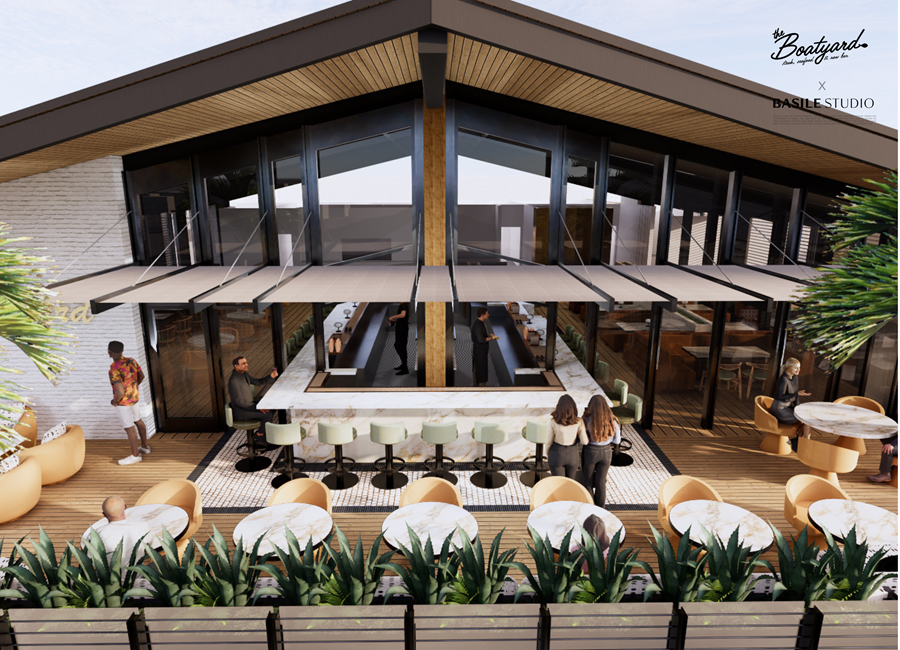
Rendering Courtesy of Basile Studio
She Rode West | Bankers Hill
She Rode West, the forthcoming sister concept to Cowboy Star opening in Bankers Hill, embraces openness as a way to highlight craft and hospitality. The design integrates an open kitchen strategy that allows guests to engage with the culinary process while maintaining a refined, intimate atmosphere.
Visual connections strengthen the relationship between the dining room and the surrounding neighborhood, reinforcing the restaurant’s role as an active street-level presence.
As with The Boatyard, Heleo is working closely with Basile Studio as Architect of Record to align design intent with evolving code allowances.
El Pastor del Rica | Gaslamp District
At El Pastor del Rica, an elevated taqueria in the Gaslamp District, the open kitchen is the heart of the space. Guests are drawn toward the energy of the open taco kitchen, where preparation, cooking, and plating are all on display.
Here, openness supports both brand identity and pace; fast, social, and vibrant; while helping create a dynamic interior that connects seamlessly to the street and surrounding pedestrian activity.
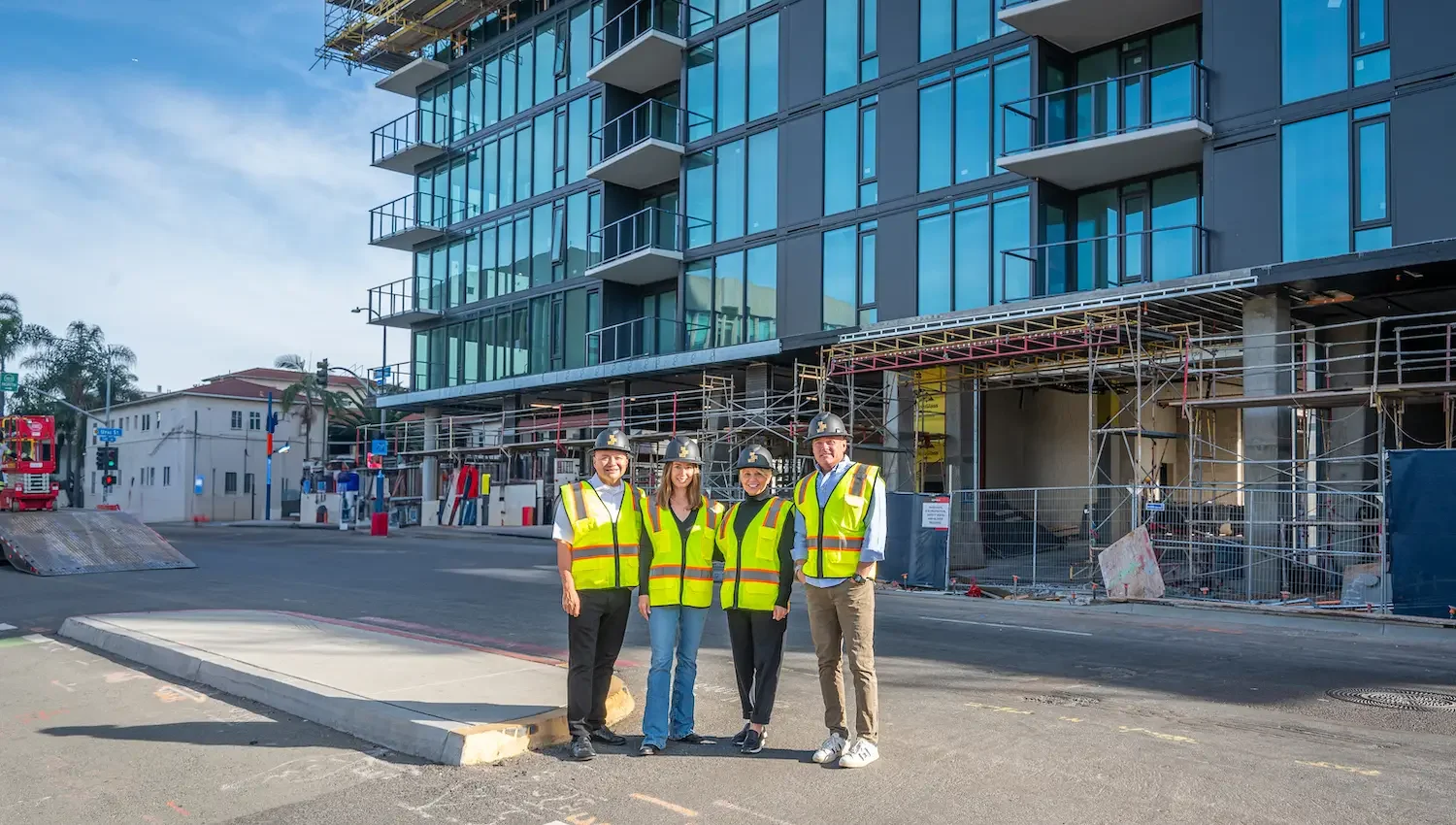
Photo Courtesy of Cowboy Star
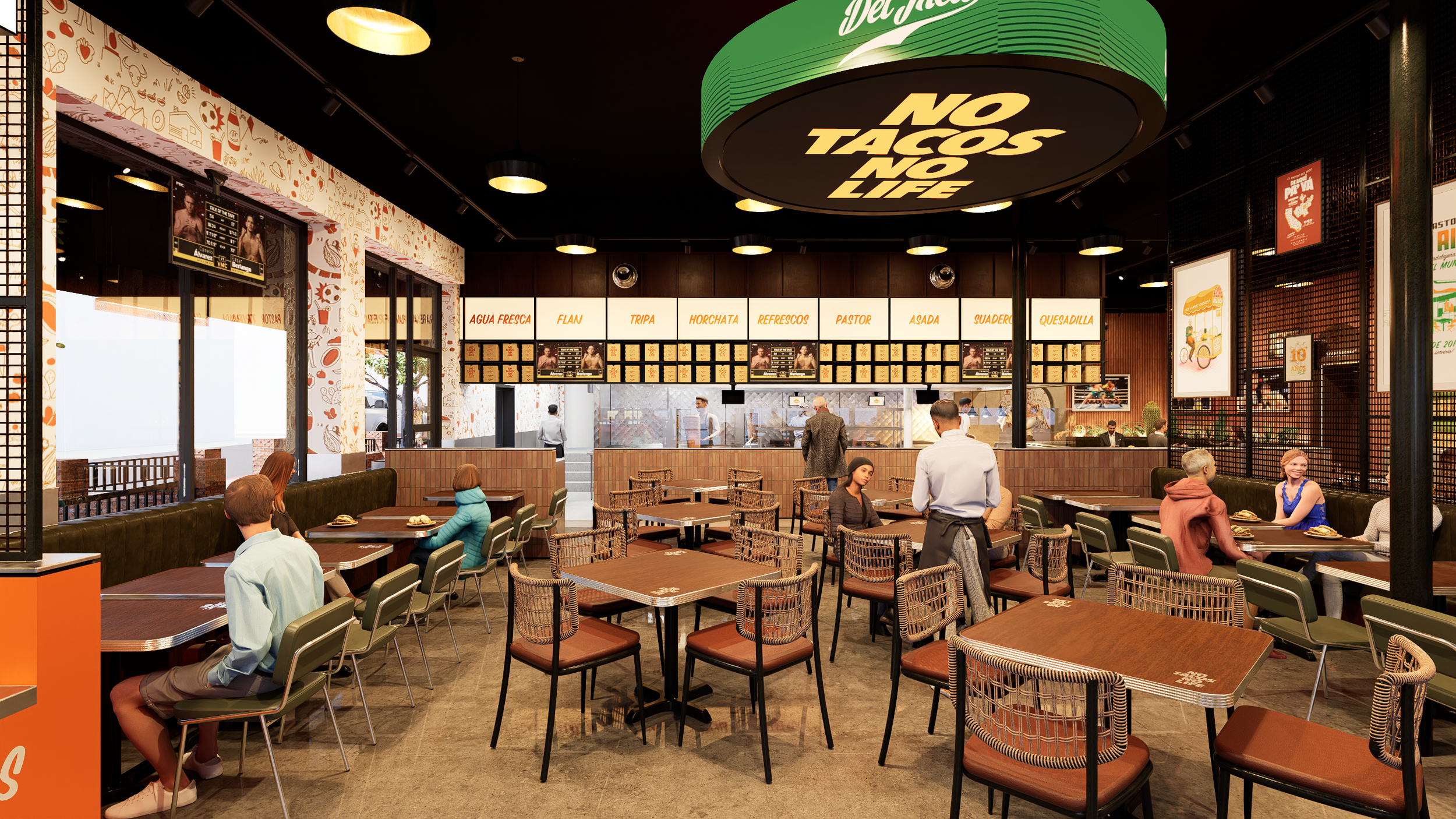
Interior rendering of El Pastor Del Rica, Downtown San Diego
Looking Ahead
As California continues to refine how hospitality spaces interact with the public realm, open kitchens and operable storefront systems will play an increasingly central role in restaurant design. AB 592 gives designers and operators the clarity needed to pursue these strategies with confidence.
We are excited to continue applying these principles across our hospitality work, collaborating with forward-thinking clients and partners to shape dining environments that are transparent, resilient, and deeply connected to place.